Open WorldDiscovery GitHub

THE DISCOVERY OBSERVATORY

Latest updates.

Papers, discussions, and releases moving discovery research forward.

View all updates ↗

Feed refreshed Publication window –

162 updates

1 update

Twelve benchmark panels compare six models. Sage-A1.5 leads the displayed models on FS-Olympiad, CMT, PinchBench, and IFBench, but trails larger models on several other panels. No sample sizes, error bars, or evaluation protocols are visible.1 / 3
Post images
XSocial post

SageAI announces Sage-A1.5 and a scientific-workflow training flywheel

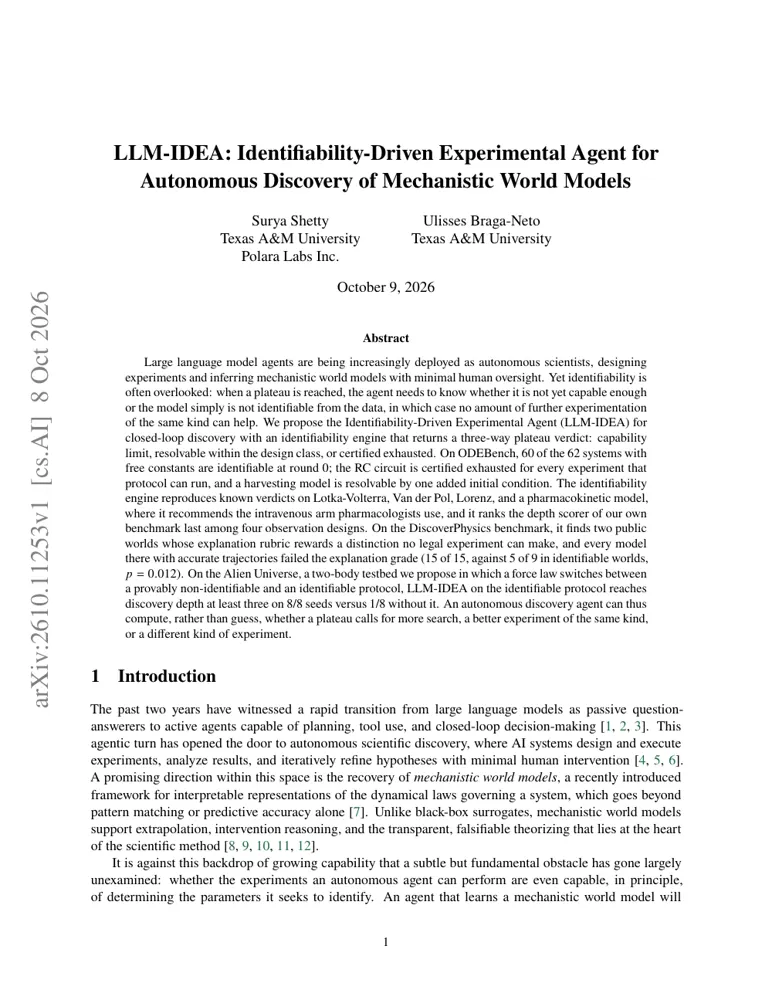
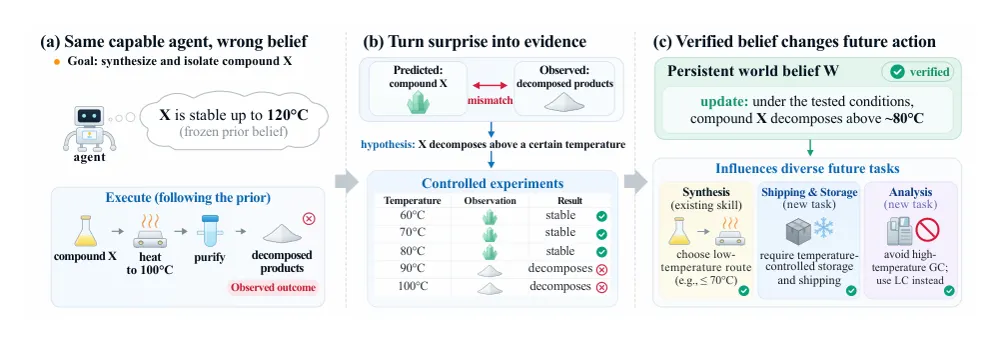
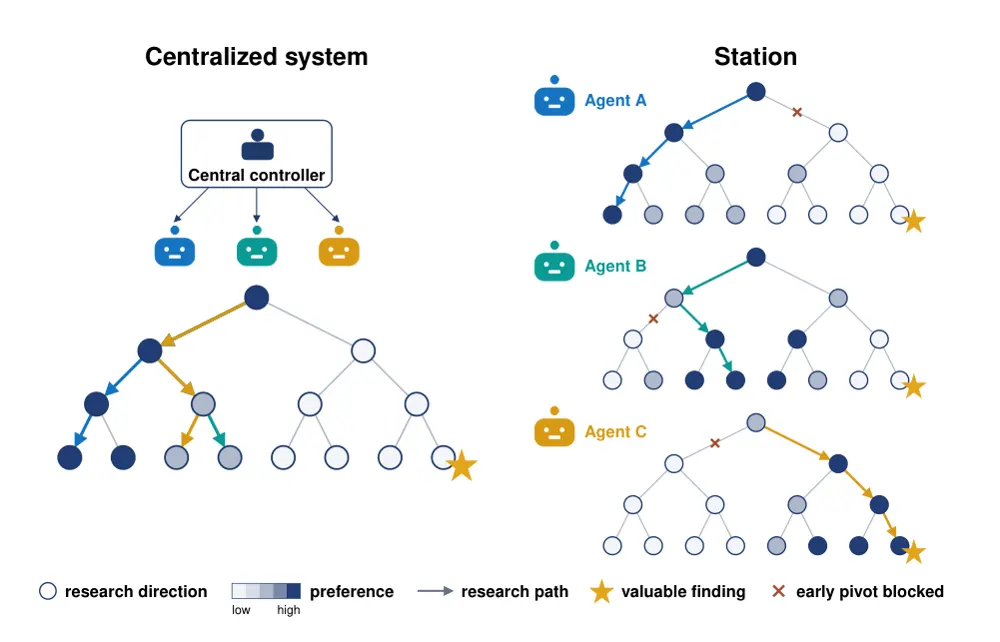
SageAI announces Sage-A1.5, a 35B MoE model with 3B active parameters, and reports a training-data flywheel using scientific discovery workflows and tens of thousands of synthesized environments. Its figures illustrate parallel research delegation and evidence-driven correction. These establish a concrete research-agent connection, but do not demonstrate recursive self-improvement.
26 updates

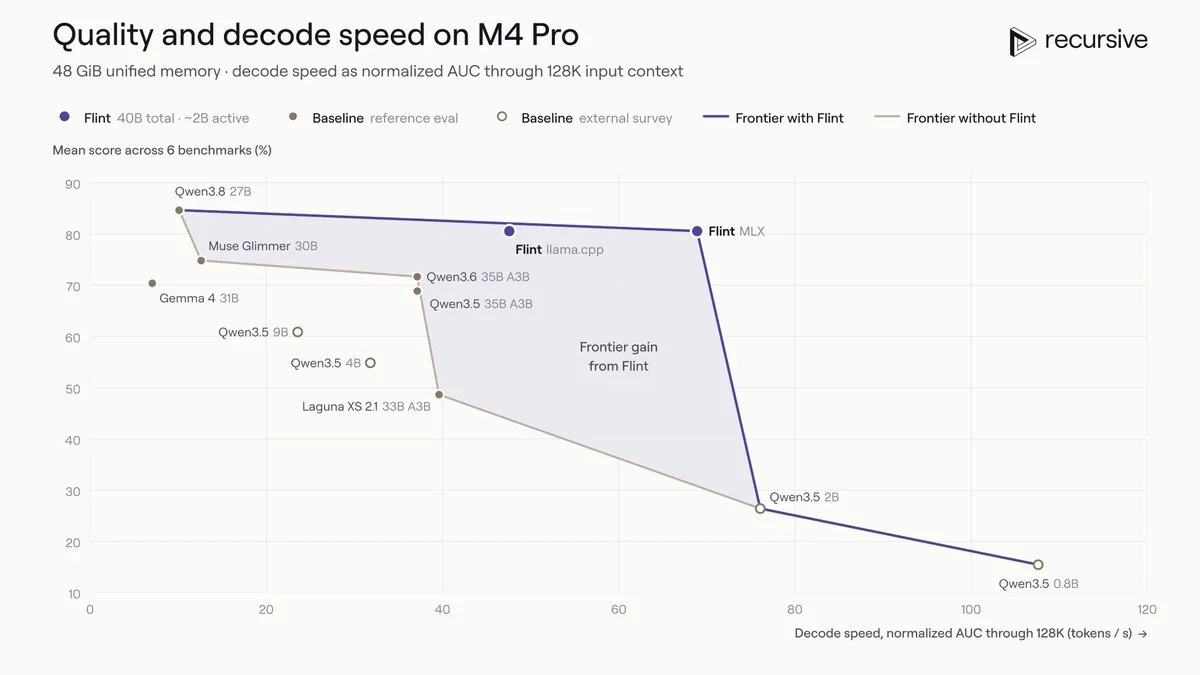
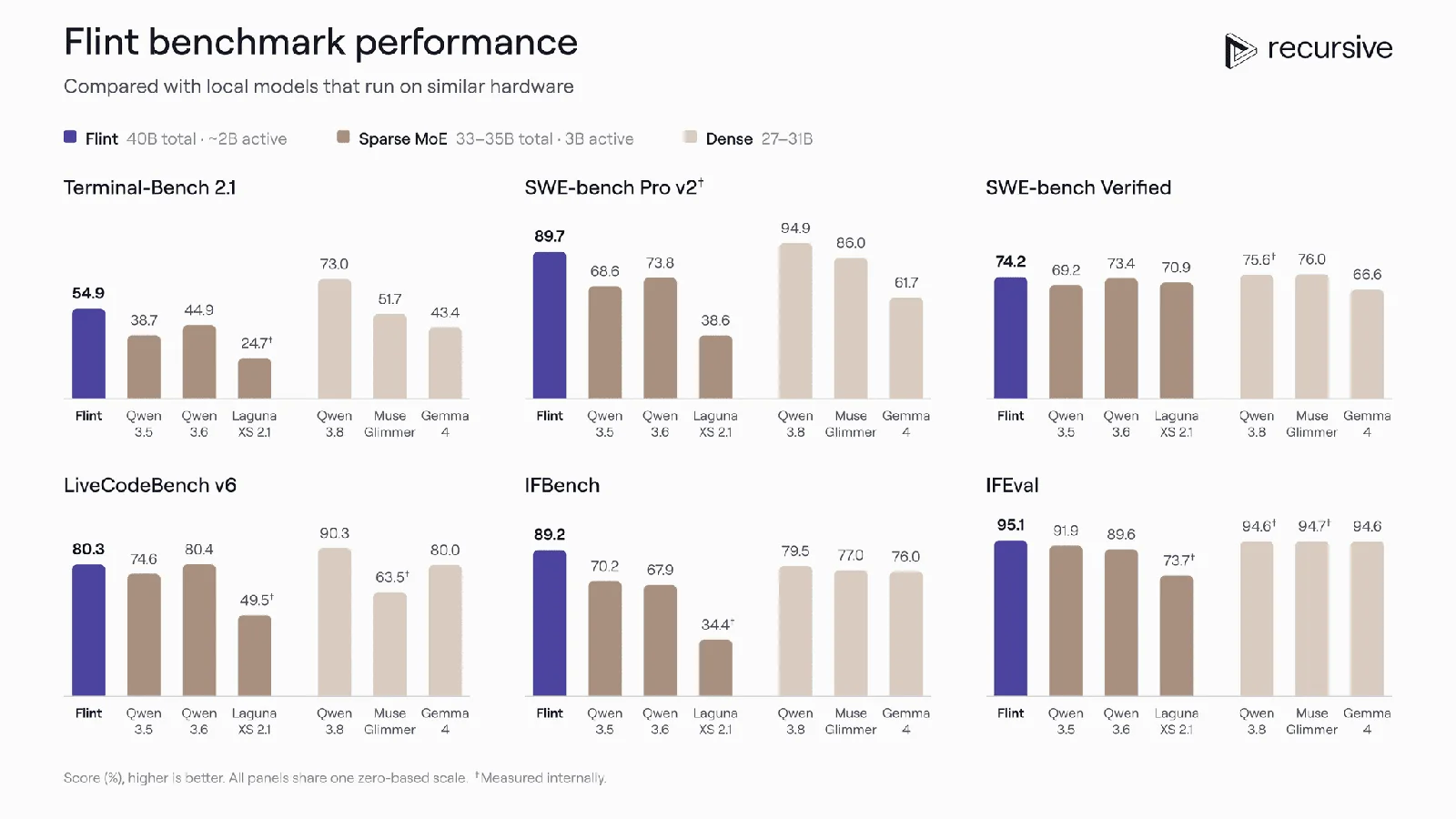
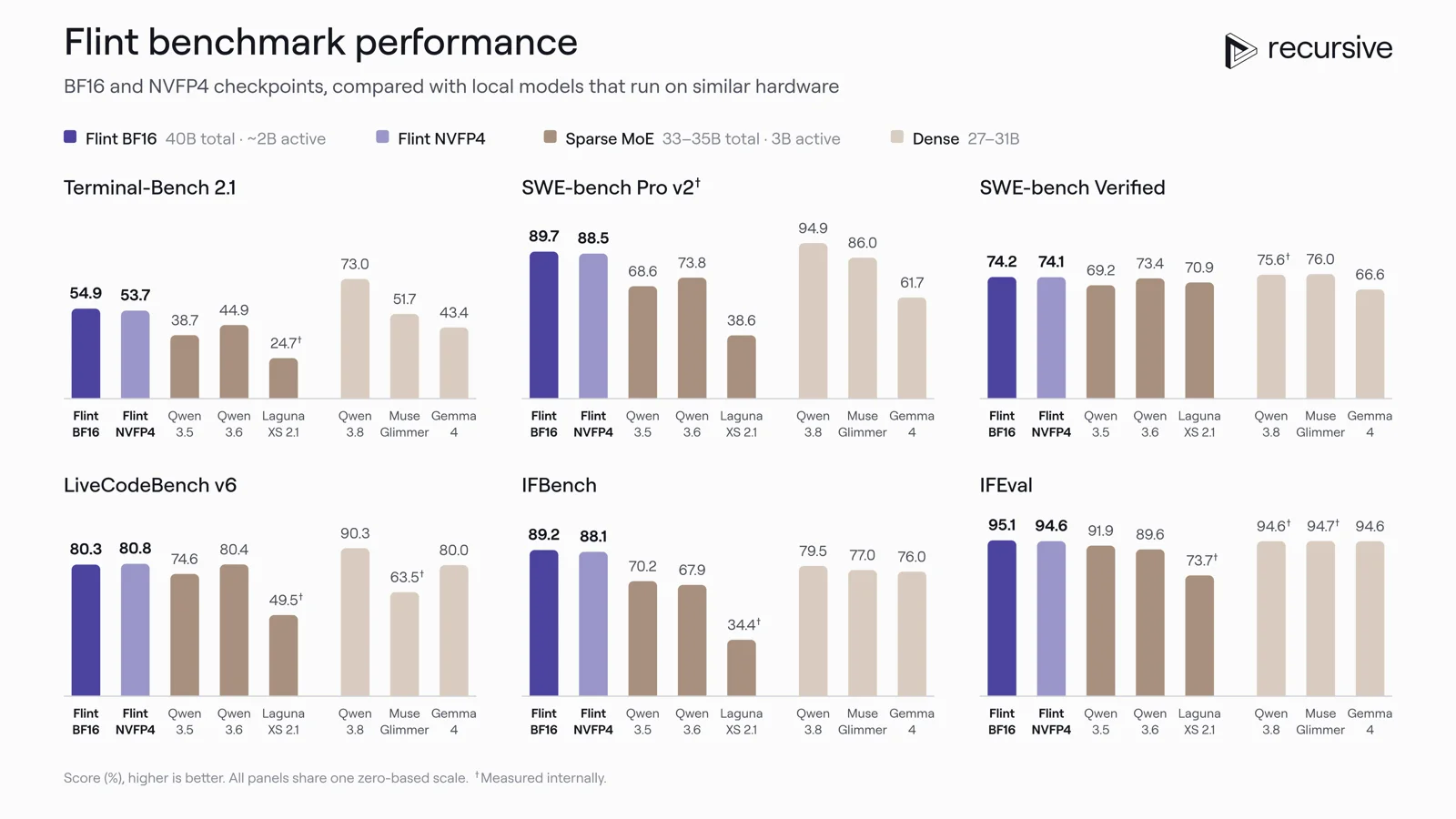
Six benchmark panels compare BF16, NVFP4, sparse MoE peers, and dense peers. NVFP4 is slightly lower on five panels and higher on LiveCodeBench v6 (80.8 versus 80.3). Flint does not lead every comparison; Qwen 3.8 exceeds it on four panels. Sample counts are supplied in the accompanying text.1 / 4
Linked model figures
XSocial post · video not reviewed

Yuandong Tian announces Flint-40B-A2B, built with automated research

Yuandong Tian announces Flint-40B-A2B, a local coding model he says was built using an automated research system and trained from scratch. He reports benchmark performance and local throughput, and says the complete training pipeline was built in four months. Video not reviewed.

XSocial post · video not reviewed

Xaira announces X-Scientist for autonomous drug research

Xaira announces X-Scientist, an agentic drug-discovery platform. The author reports benchmark gains over other agents and roughly 10× faster target nomination than human curation with a comparable wet-lab hit rate. Video not reviewed.

Six benchmark panels compare BF16, NVFP4, sparse MoE peers, and dense peers. NVFP4 is slightly lower on five panels and higher on LiveCodeBench v6 (80.8 versus 80.3). Flint does not lead every comparison; Qwen 3.8 exceeds it on four panels. Sample counts are supplied in the accompanying text.1 / 4
Source figures
Hugging FaceModel release

Recursive Flint

Recursive released Flint, an Apache-2.0 coding model that it says was built with substantial contributions from its Eureka Machine automated research system. The announcement describes experiments in architecture selection, quantization and distillation, and hardware-specific kernel optimization. This provides a concrete model-development artifact of automated research, but does not establish that Flint improves the research system’s own capabilities.

mirendil.comBlog

Pretraining at scale without a pretraining team

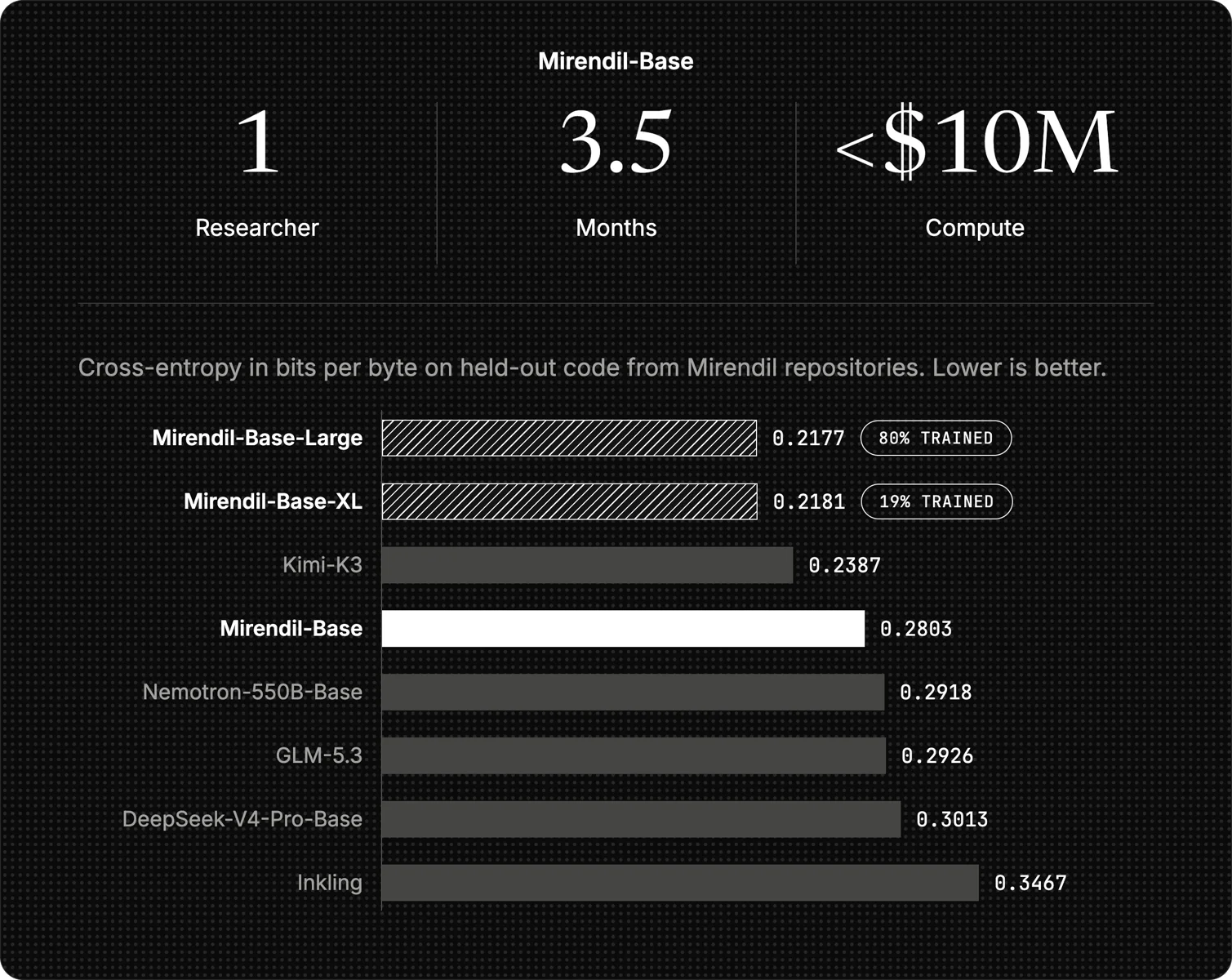
Mirendil reports that one researcher working with AI agents pretrained Mirendil-Base in 3.5 months for under $10 million in compute-related spending, including agent tokens and data processing. The company says agents wrote over 99% of the code, ran experiments and diagnosed failures, while the researcher directed the work and judged results. This is an account of agent-assisted model research; Mirendil explicitly stops short of claiming autonomous recursive self-improvement.

Six bar panels show Flint scores of 54.9, 89.7, 74.2, 80.3, 89.2, and 95.1 respectively. Purple denotes Flint, brown sparse MoE peers, and beige dense peers. Flint exceeds the plotted sparse peers on the three agentic benchmarks, while dense competitors exceed it on several panels. No error bars are shown.1 / 4
Source figures
recursive.comBlog

Introducing Flint

Recursive reports that its Eureka Machine helped produce Flint by proposing, implementing, testing, and combining experiments across model development. The announcement gives concrete examples in architecture search, quantization with distillation, and hardware-specific kernels. This is an author-reported application of automated research to a released coding model; it does not establish sustained recursive self-improvement.
Horizontal bars compare vendor-reported cross-entropy. Other displayed values are Kimi-K3 0.2387, Nemotron-550B-Base 0.2918, GLM-5.3 0.2926, DeepSeek-V4-Pro-Base 0.3013, and Inkling 0.3467. Large and XL have hatched bars and partial-training labels. Base scores worse than Kimi-K3 and better than the other displayed baselines; Large and XL have the lowest displayed values. No sample sizes or uncertainty intervals are shown.
Post images
XSocial post

Behnam Neyshabur reports Mirendil’s AI-assisted pretraining milestone

Behnam Neyshabur reports that Mirendil pretrained a coding model from scratch with one AI-assisted researcher in 3.5 months using less than $10 million in compute, including research experiments and final training. He presents this as progress toward Mirendil’s RSI mission; independent evaluations remain forthcoming.

23 updates

Figure 1 from TraceForge: Distilling with Your Own Thinking
Paper figure
arXivPaper

TraceForge: Distilling with Your Own Thinking

TraceForge synthesizes reasoning in the student's model-family style while retaining a stronger teacher's answers. Controlled student-training comparisons suggest these synthetic traces can outperform the teacher's original traces on coding tasks.

Illustration of three red-and-white mechanical fish floating above a city skyline, with Tokyo Tower visible. No chart, diagram, labels or research results appear.
Source figures
sakana.aiBlog · video not reviewed

QD-Rec: Open-ended search for diverse recommendations and hypotheses

Sakana AI introduces QD-Rec, an open-ended search method that builds an archive of candidates paired with explanatory hypotheses. It combines bandit-based exploration, LLM mutation and recombination of earlier hypotheses, and local comparisons that preserve distinct ideas. Applications include research-paper recommendations explaining connections to a researcher’s interests. Sakana reports higher average LLM-rated quality and larger archives in many tested settings, rather than independently validated improvements in discovery. Video not reviewed.

Figure 1 from Evolving Agent Interfaces
Paper figure
arXivPaper

Evolving Agent Interfaces

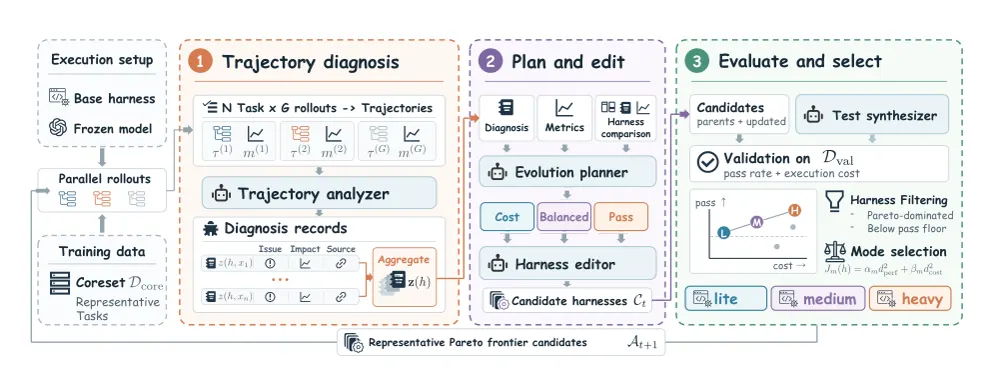
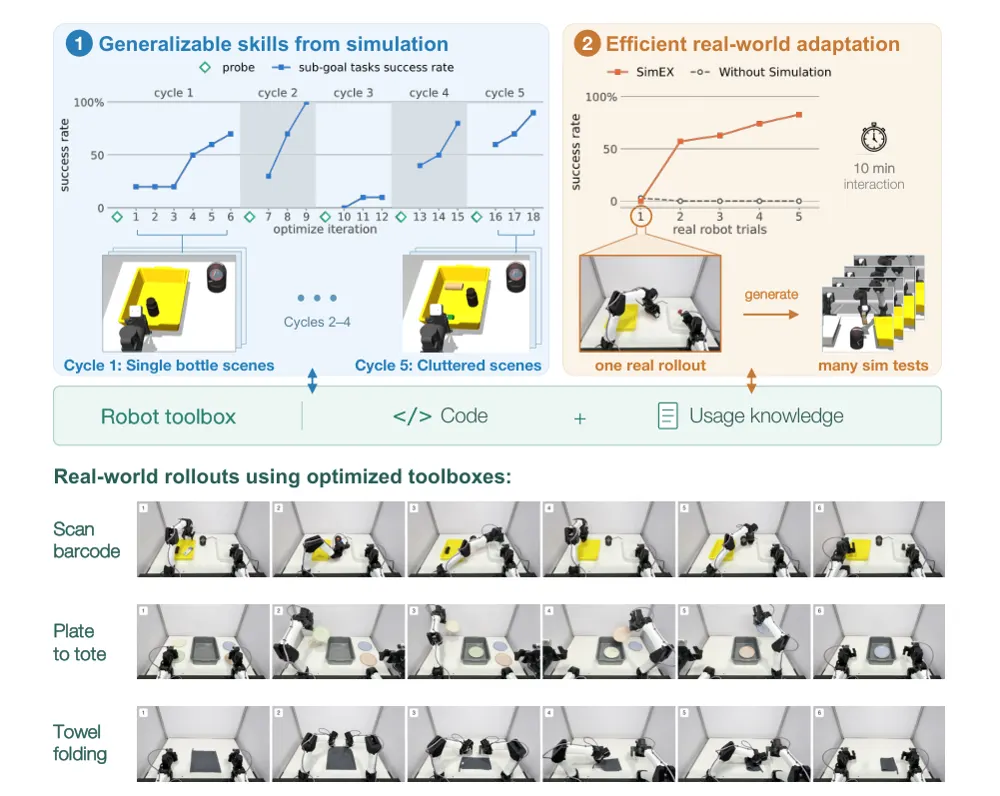
Agent S4 evolves repositories containing executable interfaces and usage knowledge for computer-use agents. A meta-agent learns from ungraded synthetic-task trajectories, while a separate controller selects repositories using validation performance.

Figure 1 from Agentic World Action Models
Paper figure
arXivPaper

Agentic World Action Models

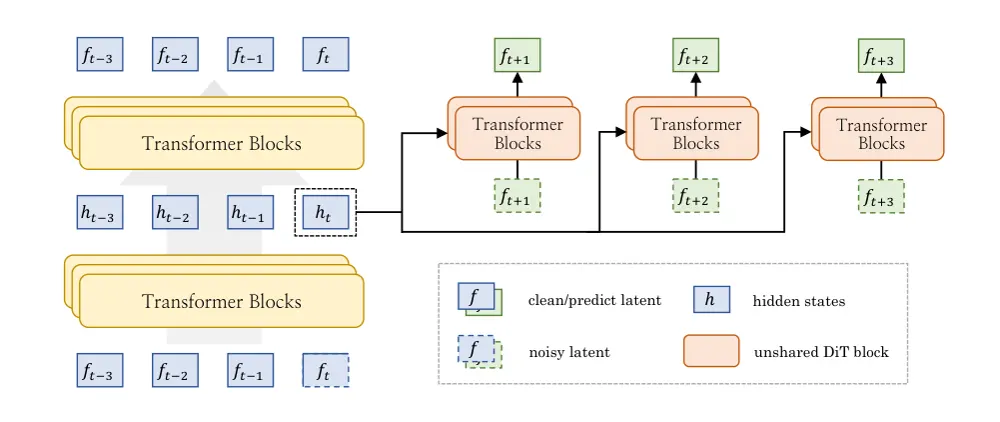
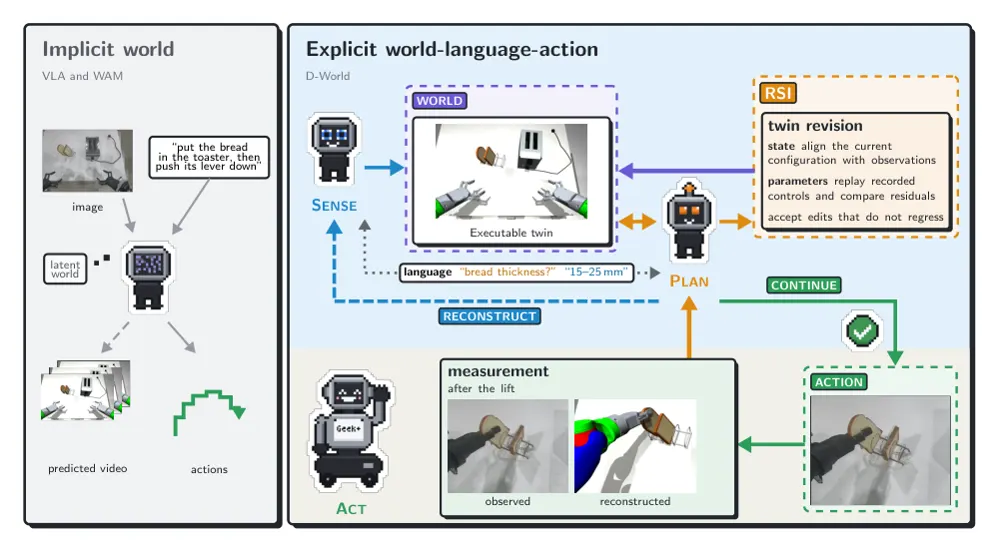
AW-0 jointly generates code-based plans, future video, and robot actions. An annotation pipeline extracts recurring routines into reusable skills, and an optional hybrid executor combines generated programs with learned action chunks.

Hugging FaceBlog

A curriculum for post-training agents

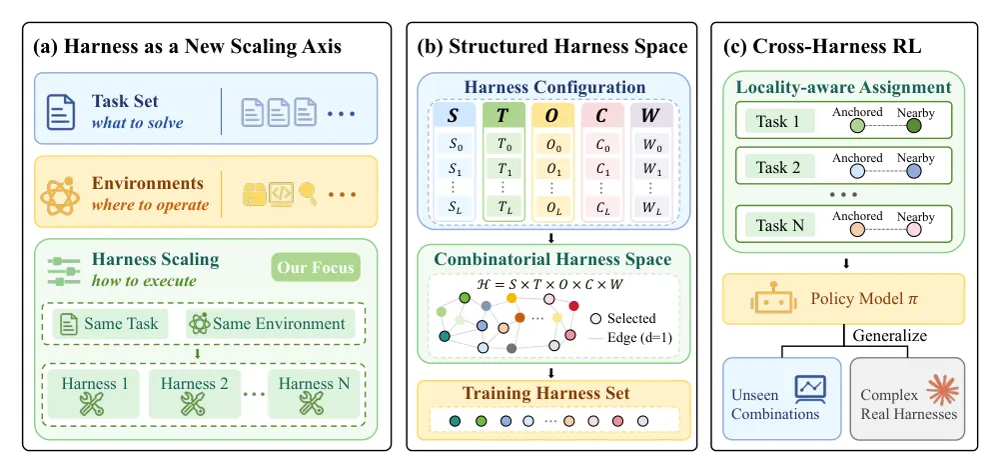
Hugging Face publishes a curriculum covering supervised traces, distillation, reinforcement learning, stateful environments, and training through real agent harnesses. It connects each stage to tutorials and implementation resources.

30 updates

First-page preview of Are Self-Evolving Agents Continual Learners?
Paper preview
arXivPaper

Are Self-Evolving Agents Continual Learners?

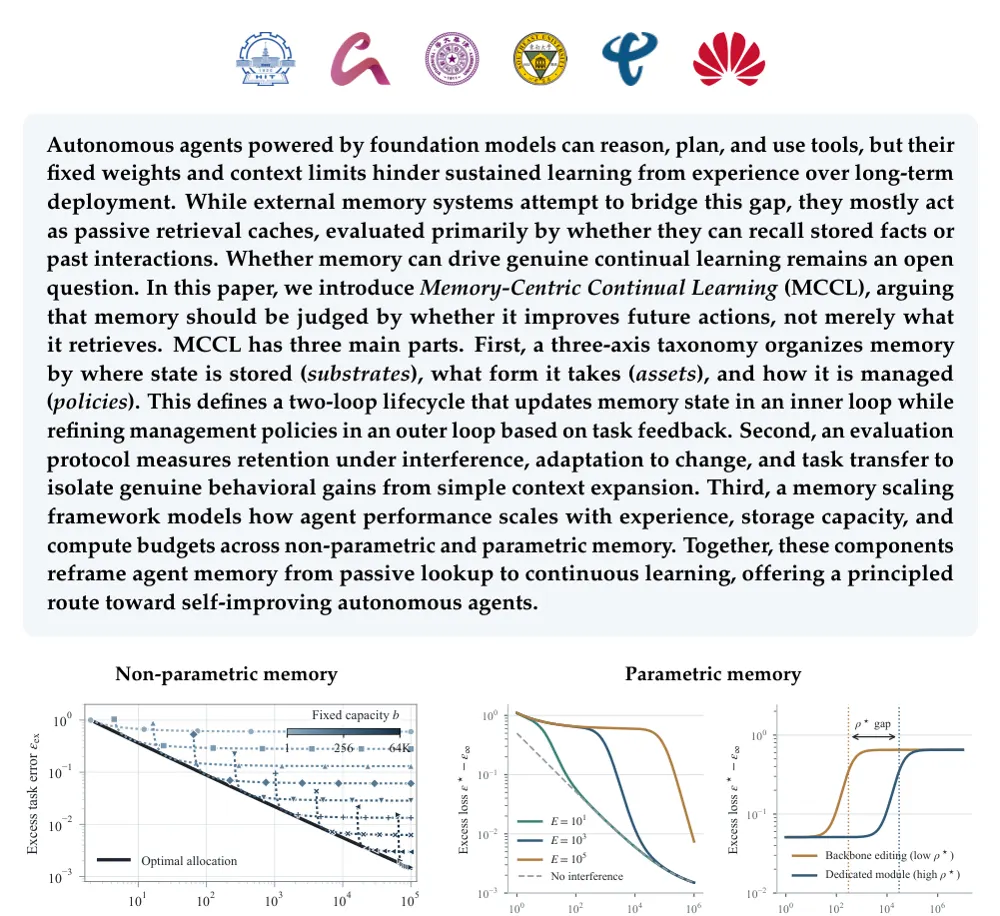
Self-evolving agents improve aggregate task performance but struggle to retain compatible knowledge across changing topics, workflows, and domains. Shared prompt edits overwrite prior instructions, while similarity-based memory retrieval can select experiences with incompatible workflows.

4 updates

4 updates

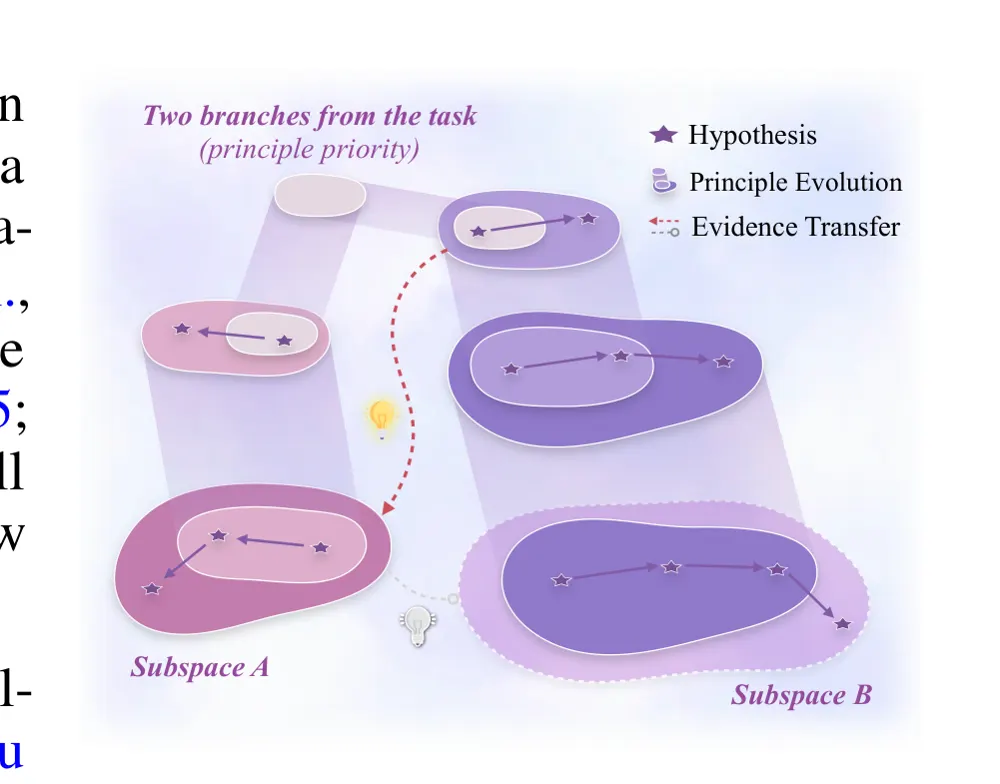
Conceptual closed-loop workflow returns experimental measurements to the agent pipeline across multiple rounds. It contains no numerical performance results or evidence that all steps run without human involvement.1 / 4
Source figures
Google ResearchBlog · video not reviewed

Grounding AI agents in biological reality: Building blocks for autonomous wet labs

Google Research reports progress toward human-directed autonomous wet labs through VERID, a stateful laboratory digital twin, and agent-guided molecular discovery workflows. The authors report that three experimental rounds improved aptamer hit rates to 33.5% for myoglobin and 42.1% for α-thrombin after addressing experimental artifacts. They also describe faster protein-binder design using epitope excision, improved computational hit rates with human–agent collaboration, and FAP binders with approximately 3–10 nM affinity. Video not reviewed.

4 updates

Figure 1 from Data World: Scaling Data Environments from Scratch
Paper figure
arXivPaper

Data World: Scaling Data Environments from Scratch

Data World generates synthetic data environments from explicit underlying mechanisms, along with tasks and auditable rubrics. This provides scalable, verifiable training and evaluation material for agents that must discover insights across heterogeneous files.

5 updates

Hugging FaceBlog

When agents self-improve, what should persist?

Val Alexander proposes evaluating whether self-modifying agents retain required behavior, memory provenance, and responsiveness to correction. The article outlines longitudinal controls and explicitly identifies its evaluation protocol as unimplemented and unvalidated.

Figure 1 from Scaling Discovery Requires Forgetting
Paper figure
arXivPaper

Scaling Discovery Requires Forgetting

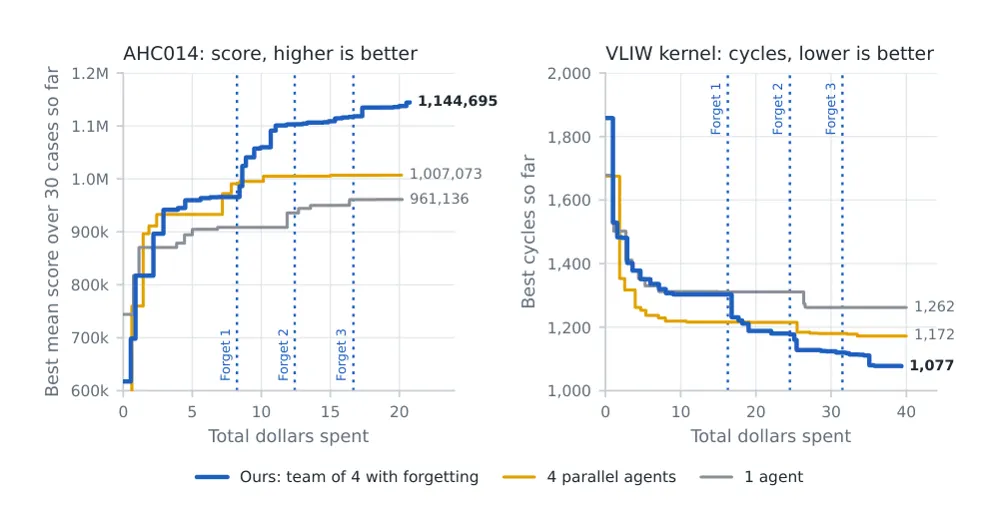
The authors find that longer or parallel agent searches plateau as accumulated histories anchor subsequent exploration. Periodically clearing search state while retaining the best candidate restores exploration and improves results on programming, kernel-optimization and model-training tasks.

Larger duplicate of image 2. The routing and stage descriptions are readable and support the described Deep Review architecture, but do not independently demonstrate its accuracy.1 / 4
Source figures
Google ResearchBlog · video not reviewed

Research@ 2026: 10 ways we're amplifying human ingenuity

Google Research announces a multi-agent orchestrator for reproducing and adapting existing scientific methods, reporting catheter designs that performed better at preventing bacterial infection in simulation. It also announces wider access to Deep Review, an agentic system for checking technical documents.

6 updates

Figure 1 from Self-Evolving Agent Harness
Paper figure
arXivPaper

Self-Evolving Agent Harness

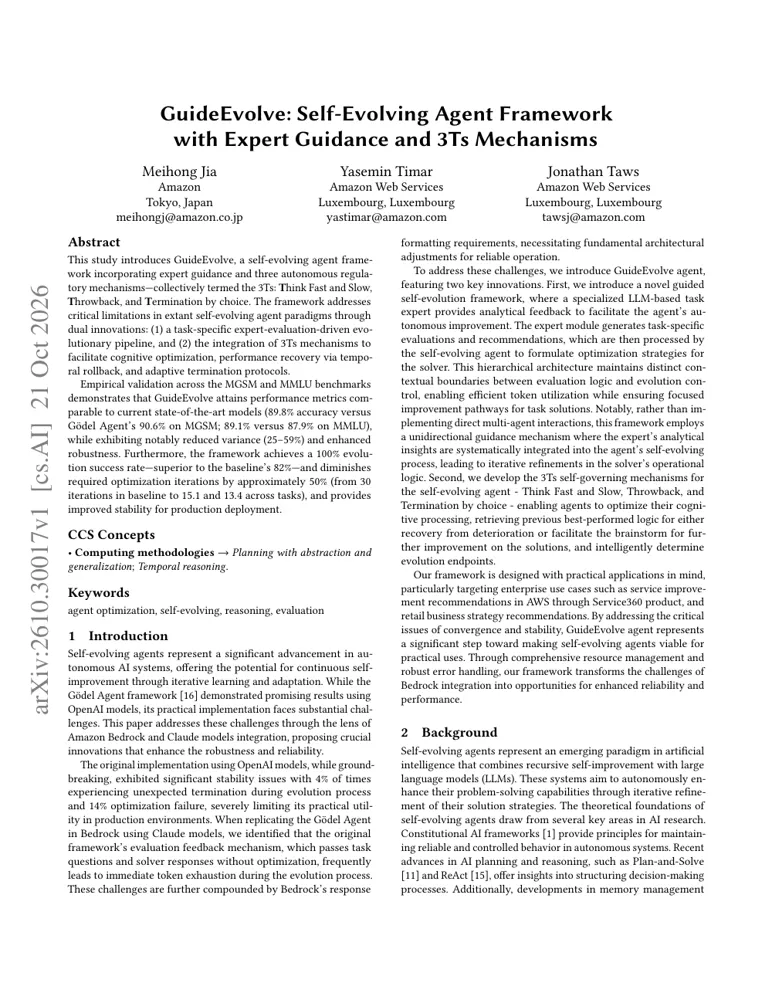
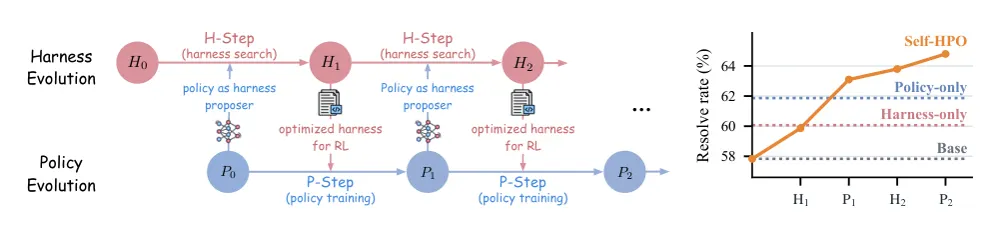
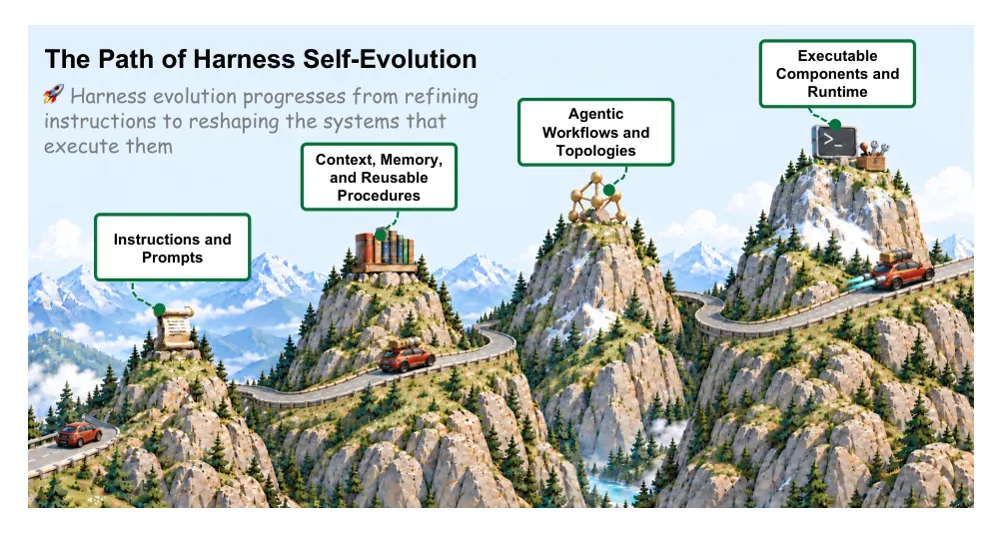
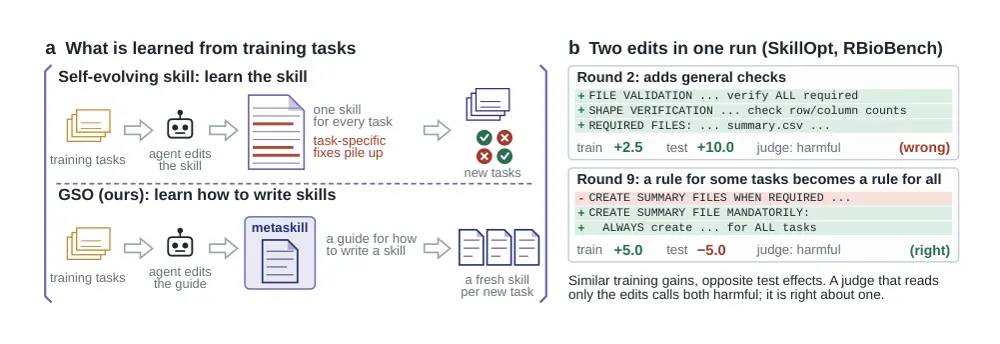
Formalizes persistent revision of prompts, memory, workflows, tools, code, and plugins while model weights remain fixed, and analyzes admission, retention, validation, and safety requirements for accepted harness changes.

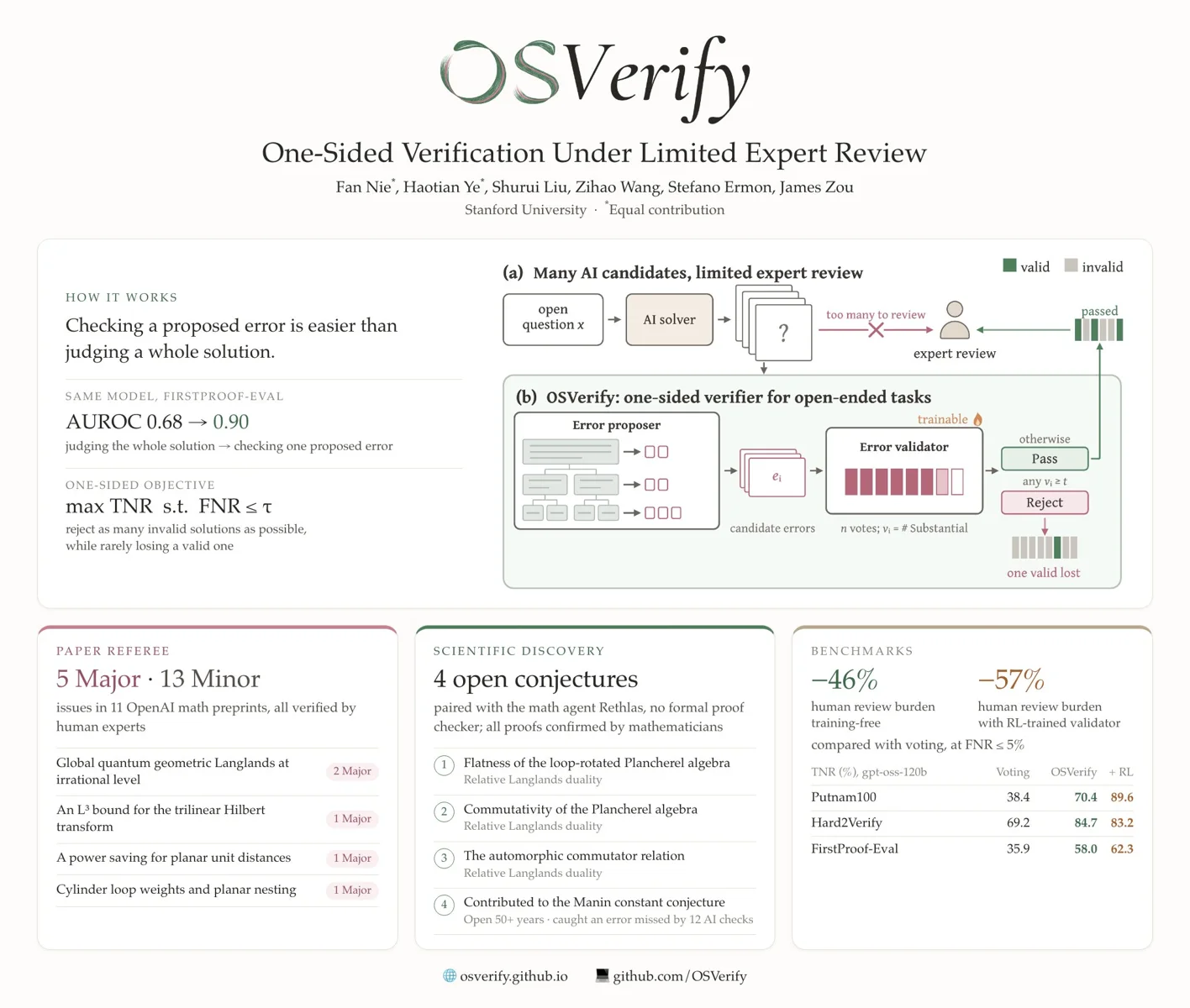
The diagram separates error proposal from a trainable error validator, rejecting solutions when a proposed error reaches a vote threshold. Green denotes valid solutions and gray invalid ones. A TNR (%) table for gpt-oss-120b compares Voting, OSVerify, and +RL: Putnam100 38.4/70.4/89.6; Hard2Verify 69.2/84.7/83.2; FirstProof-Eval 35.9/58.0/62.3. Thus RL does not improve every displayed benchmark. The discovery panel names three Langlands conjectures and a contribution to the Manin constant conjecture. These are illustrated author claims, not independent validation.
Post images
XSocial post

OSVerify introduces one-sided verification for scientific discovery

Fan Nie announces OSVerify, which separates proposing errors from validating them to filter mathematical solutions for expert review. The authors report reduced review burden and say pairing it with a math agent helped resolve three Langlands conjectures and contributed to resolving the Manin constant conjecture, providing verification signals for scientific discovery.

3 updates

Figure 1 from Recursive Self-Improvement through Multi-Agent Self-Supervision
Linked paper figure
sakana.aiBlog · video not reviewed

Recursive Self-Improvement through Collective Intelligence

Sakana AI introduces MASS, a self-improvement loop that searches and evaluates multi-agent workflows, then trains a shared model on selected team executions. The authors report that two cycles with a 27B open-weights model raised score per output token to 1.2–1.6 times baseline across four research benchmarks. They caution that self-evaluation can reinforce shared blind spots. Video not reviewed.

1 update

2 updates

5 updates

7 updates

5 updates

Figure 1 from Kernel Autoresearch for Open-Ended Model Discovery
Paper figure
arXivPaper

Kernel Autoresearch for Open-Ended Model Discovery

Kernaut lets coding agents invent kernel functions as programs while construction contracts guarantee mathematical validity. A quality-diversity archive and functional novelty screening retain distinct candidates whose inductive biases transfer to unseen optimization and enzyme-kinetics tasks.

anthropic.comBlog

Building on our commitment to American scientific discovery

Anthropic announced a $150 million, three-year commitment to support AI-assisted scientific discovery through the federal Genesis Mission. It says it will provide Claude access, API credits, training, and technical support for several hundred research projects, with collaboration priorities including fusion energy and quantum computing.

2 updates

2 updates

4 updates

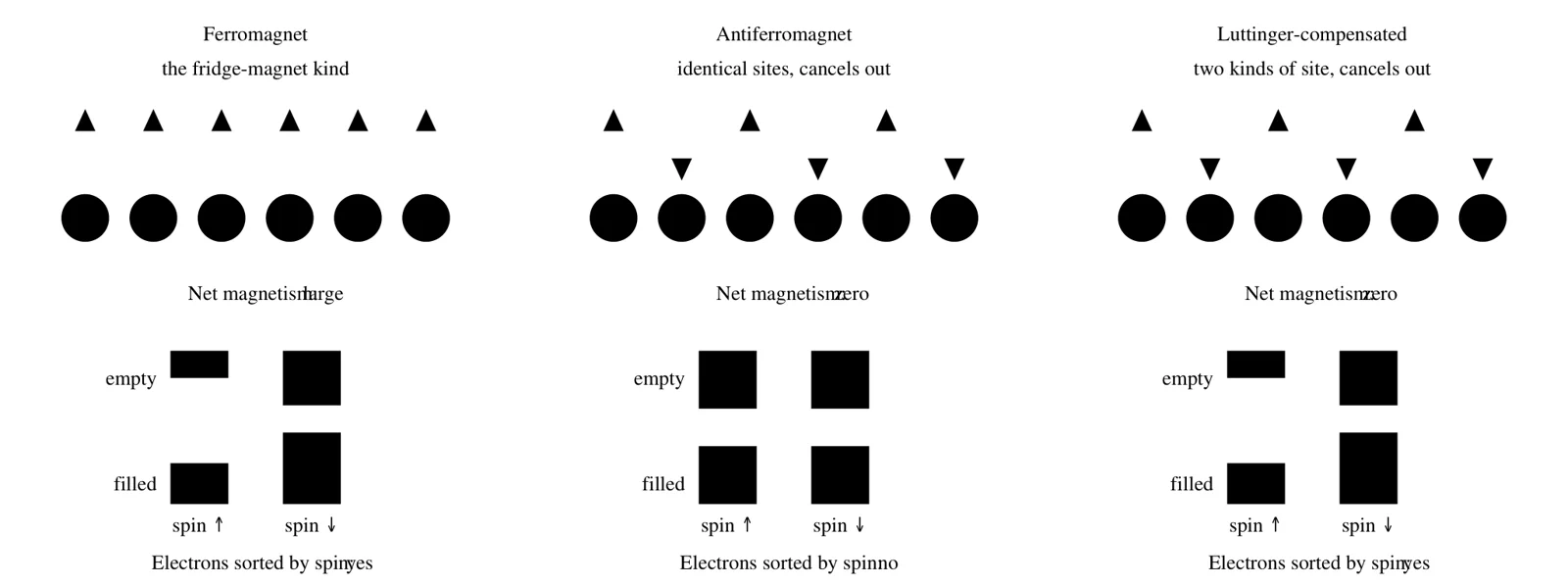
A conceptual three-panel comparison shows aligned versus alternating moments and schematic filled/empty spin states. It illustrates the author's distinction between compensation and spin sorting; it provides no measured data, numerical energy axis or sample size.1 / 3
Source figures
vals.aiBlog · video not reviewed

Two Room-Temperature Antiferromagnetic Semiconductor Candidates

The author reports using AI agents and quantum simulations to design YBaMnFeO₅ and recognize previously synthesized KV[Cr(CN)₆] as candidates for compensated magnetic semiconductors with spin-selective band edges. The oxide faces an atomic-ordering obstacle during synthesis. The previously known compound has reported magnetic order above room temperature, but its predicted band gap and spin sorting remain experimentally unmeasured. Video not reviewed.

LinkedInSocial post

AI learned to dig deep. The next discoveries need it to dig wide

Andrew Wharton proposes evaluating AI-generated connections across scientific fields using typed correspondence cards that identify objections and relevant specialists. His proposed experiment pairs hostile expert review with random-pairing controls to test whether the connections offer useful leads. He presents this as an untested discovery strategy and acknowledges that specialist attention remains a bottleneck.

6 updates

Figure 1 from When Is Enough Enough in Self-Evolving LLM Systems?
Paper figure
arXivPaper

When Is Enough Enough in Self-Evolving LLM Systems?

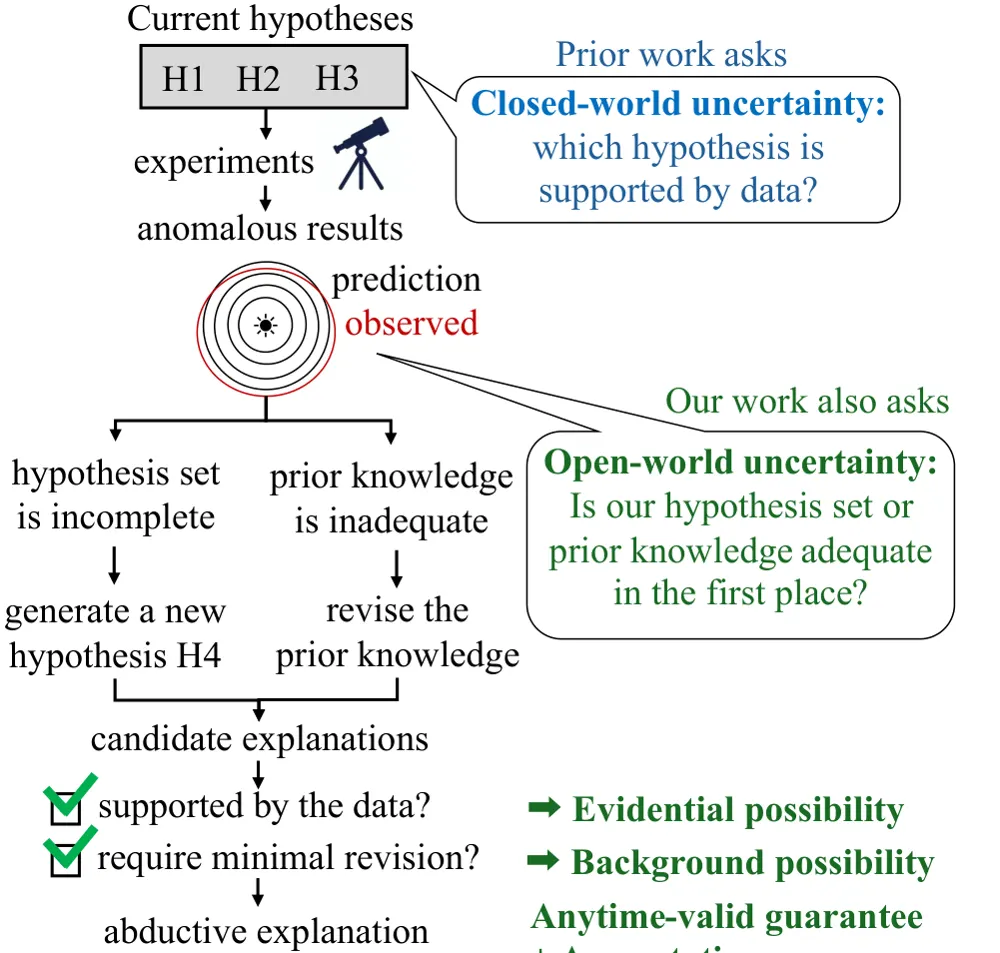
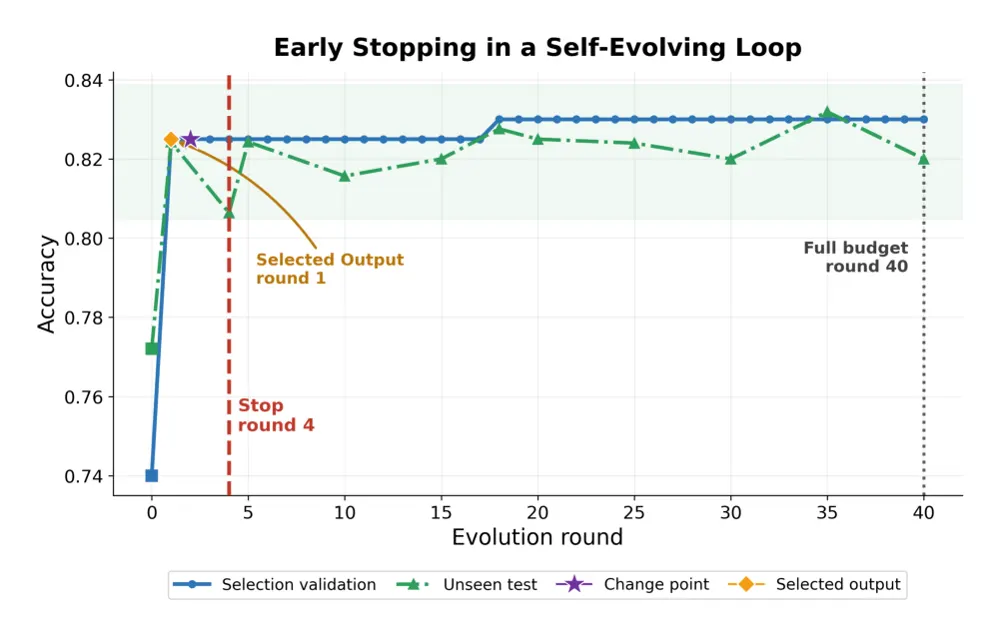
Develops an anytime-valid detector for deciding when iterative self-evolution should stop and a change-point method for selecting an earlier artifact when late updates overfit. Reported experiments substantially reduce compute while preserving unseen-test performance.

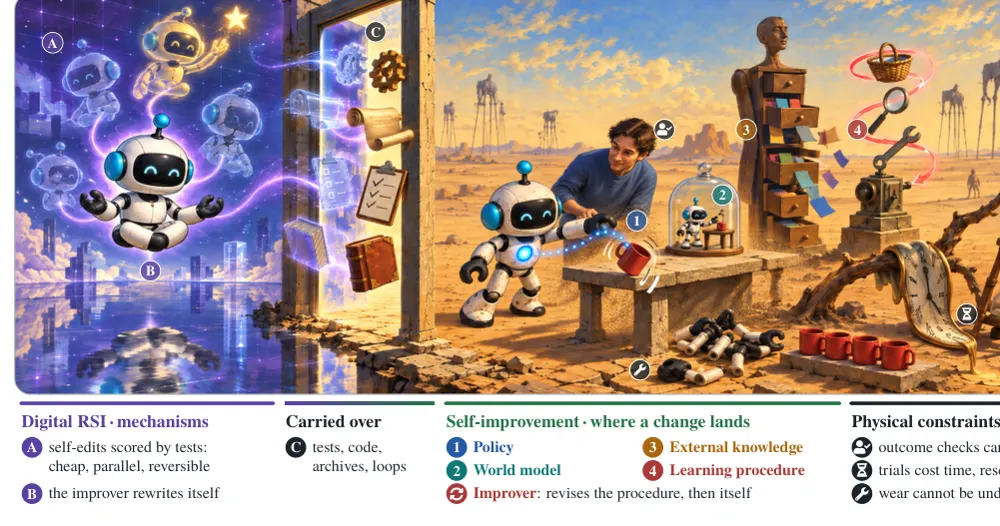
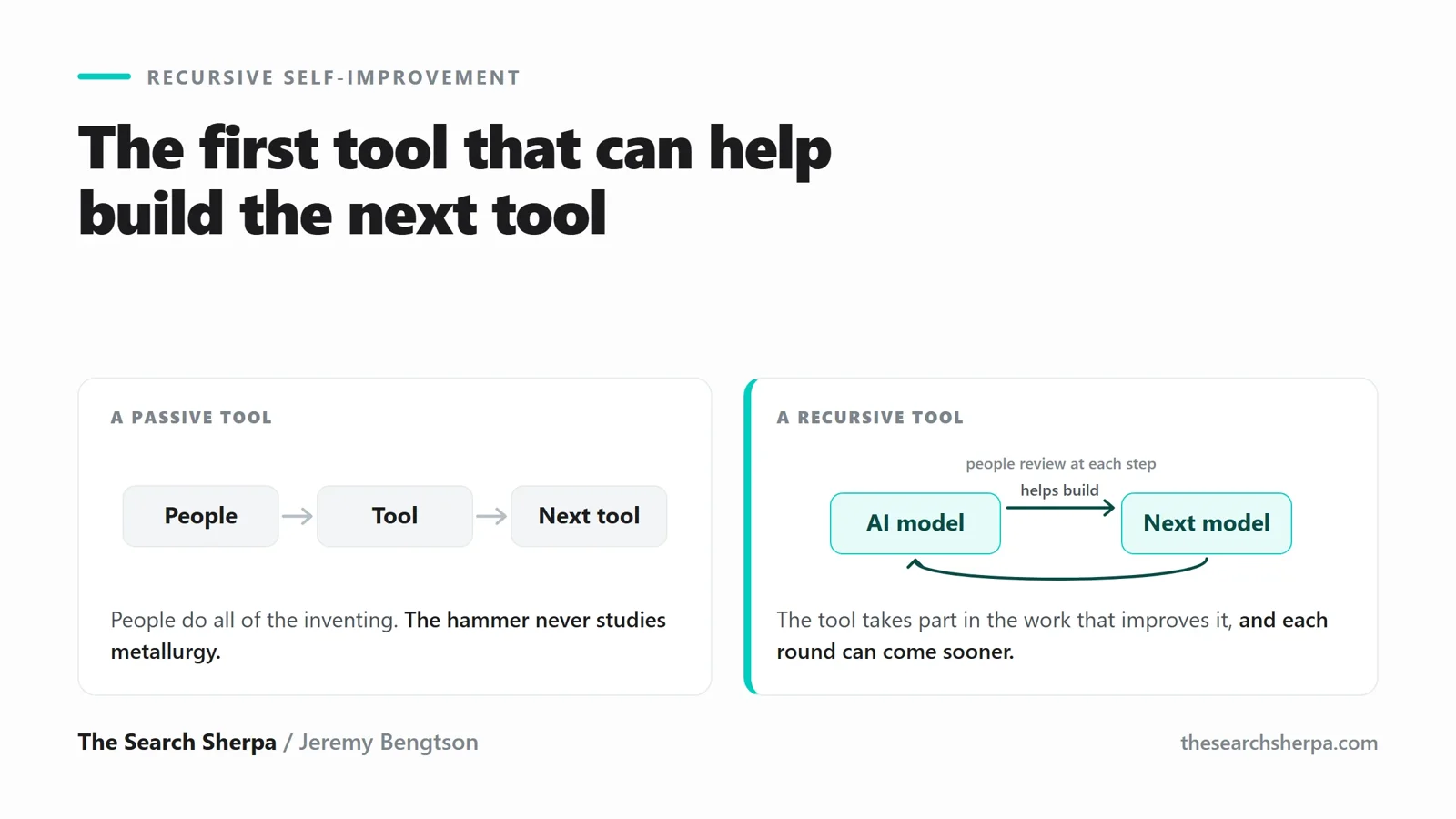
An author-branded schematic contrasts a linear tool-building process with a model-successor feedback loop. Human review is explicitly labeled. There are no quantitative axes, baselines, sample sizes, or measured results; the diagram supports the conceptual distinction only.
Source figures
thesearchsherpa.comBlog

Recursive Self-Improvement: What Happens When AI Helps Build Better AI

Jeremy Bengtson contributes a four-level framework for assessing recursive self-improvement, distinguishing supervised coding and research automation from autonomous successor training. His synthesis contrasts company-reported progress with skeptical research and separates faster AI invention from slower business adoption, arguing that current evidence supports a human-supervised loop rather than runaway self-improvement.
3 updates

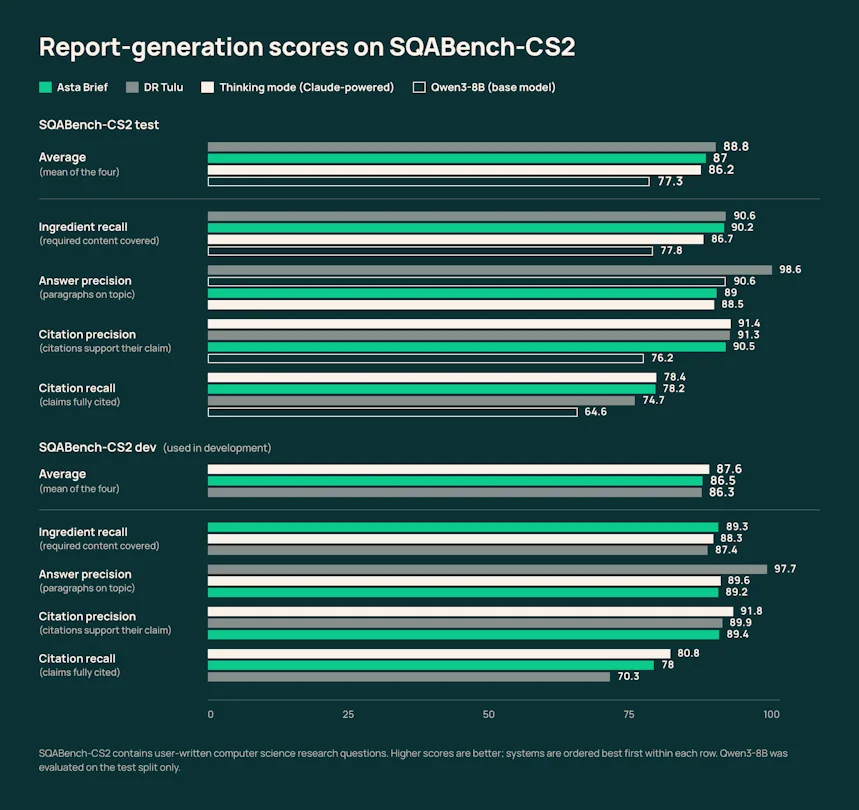
The chart separates test and development results across content coverage, answer precision, citation precision and citation recall. Test averages favor DR Tulu, then AstaBrief, then Thinking mode. Thinking mode leads test citation precision and recall. The horizontal scale runs from 0 to 100; no uncertainty intervals are shown.1 / 3
Source figures
allenai.orgModel release

Open-sourcing AstaBrief, the fast report-generation model in Asta

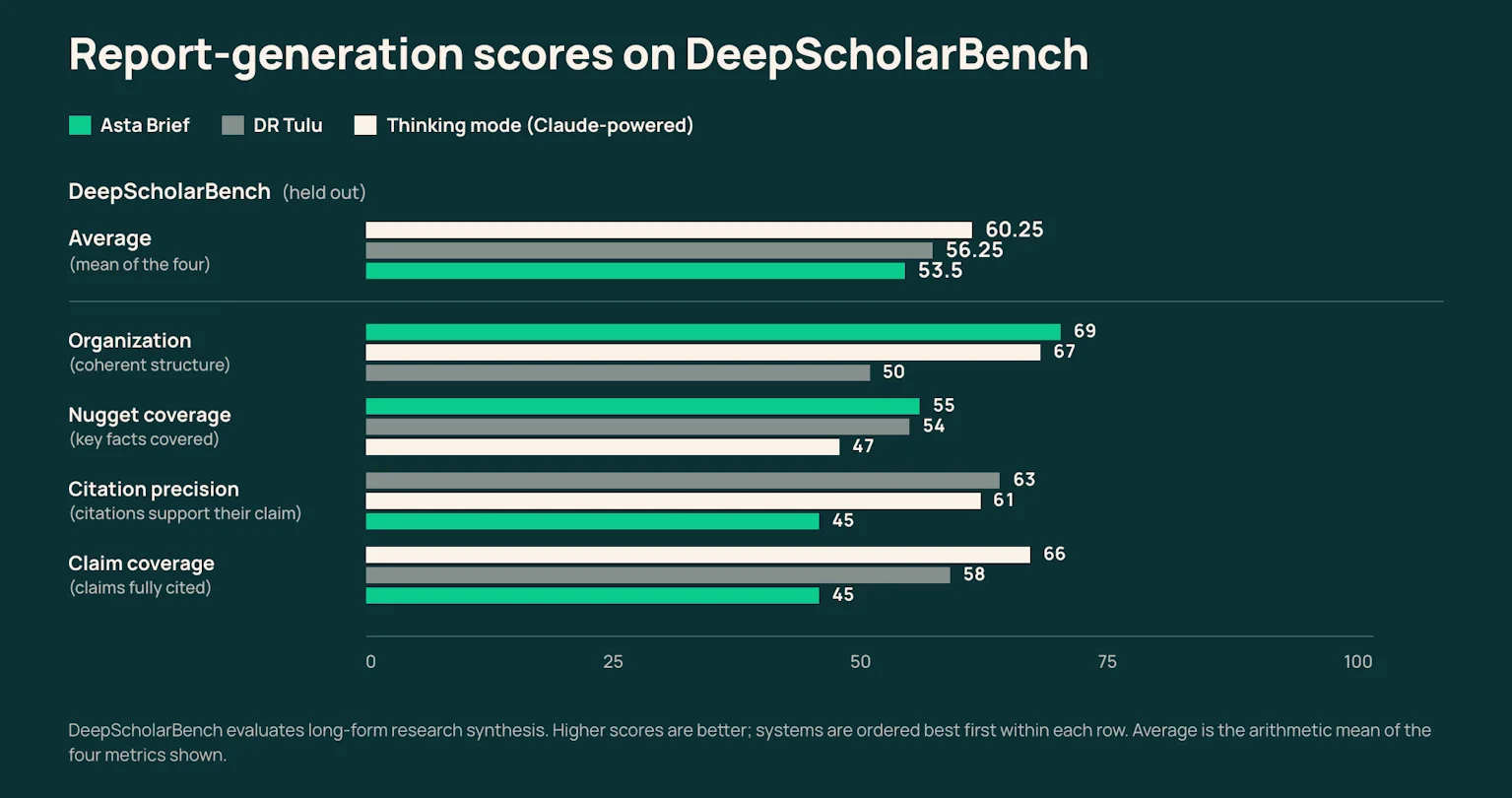
Ai2 announced AstaBrief 8B, an open-weights model and training-data release for cited scientific reports in its Asta research agent. Its recipe combines supervised fine-tuning, direct preference optimization and citation-focused data filtering. Ai2 reports about 3.5× faster end-to-end report generation than Claude-powered Thinking mode, with mixed quality results across benchmarks.
The 0–100 horizontal chart shows AstaBrief leading organization at 69 and nugget coverage at 55, but scoring 45 on both citation precision and claim coverage. Thinking mode scores 61 and 66 on those citation measures. Thus AstaBrief’s strengths on structure and fact coverage coexist with the lowest overall average. No sample size or uncertainty intervals appear.1 / 3
Source figures
Hugging FaceModel release

AstaBrief-8B

Ai2 released AstaBrief-8B, an open model trained with supervised fine-tuning and preference optimization to turn retrieved scientific literature into cited reports within its Asta research platform. Ai2 reports improved synthesis scores over its base and SFT models and a 72% LLM-judged win rate against Claude-powered Thinking mode on held-out computer-science questions, alongside weaker DeepScholarBench results.

3 updates

Figure 1 from Can AI Scientists Coordinate at Runtime?
Paper figure
arXivPaper

Can AI Scientists Coordinate at Runtime?

Studies runtime selection and coordination among agents drawn from existing AI-scientist systems. Runtime agent selection improved observed mean scores, while extra contracts and verification had mixed effects under constrained budgets.

5 updates

2 updates

4 updates

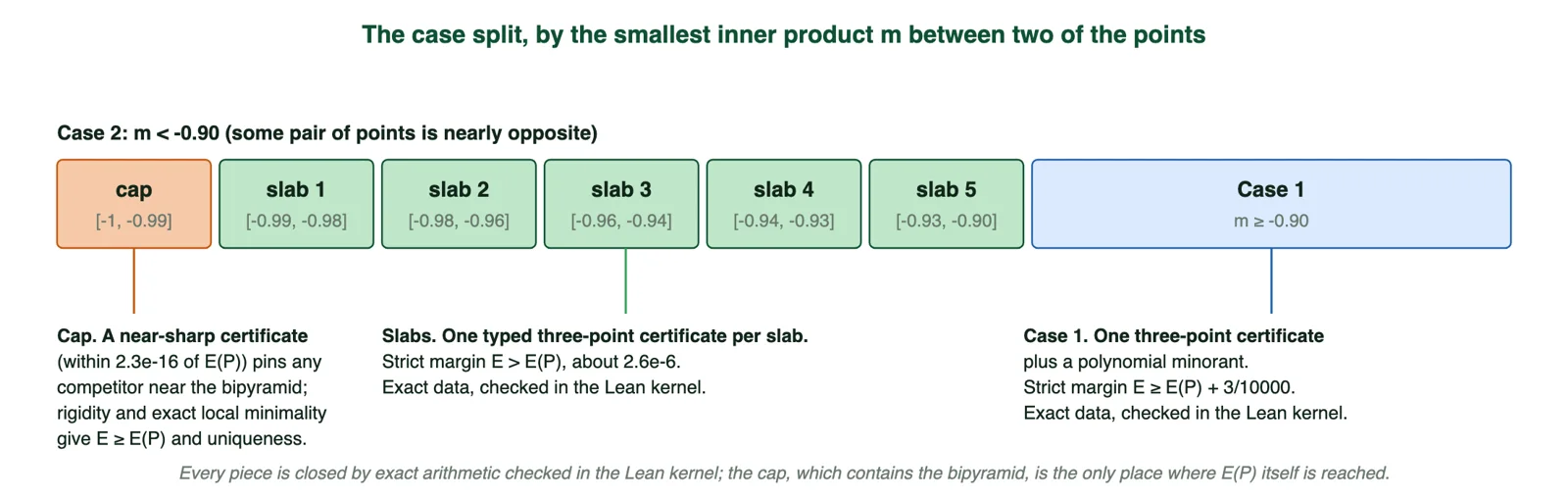
A schematic partitions the minimum pairwise inner product into a cap, five slabs, and Case 1. It states a roughly 2.6e-6 strict margin for the slabs, a 3/10000 margin for Case 1, and a near-sharp cap certificate within 2.3e-16 of E(P), followed by rigidity and local minimality. It attributes closure to exact arithmetic checked in Lean’s kernel. This matches the supplied text and presents proof claims, not experimental measurements.
Source figures
vals.aiBlog · video not reviewed

A Lean Proof of the Thomson Problem for Seven Electrons

The author reports that ten Claude Sonnet 5.5 agents produced Lean proofs of optimality and uniqueness for the seven-electron Thomson problem in about 15 hours. The article describes their coordinated proof search, numerical certificate discovery, exact verification, and checks that the agents preserved the fixed target statements. These are author-reported results; the associated video was not reviewed.

2 updates

1 update

isg.beel.orgBlog

2026: The Year AI Scientists Become Effective, Fast, Scalable and Cheap

Joeran Beel argues that AI scientists are progressing from tool-using research loops toward systems that can choose and prioritize research directions. The post compares 2026 examples by output, duration, parallelism, cost, and human validation rather than treating paper generation alone as discovery.

1 update

1 update